vermont home buying

The Ultimate Guide to Buying a Lakefront Home in Vermont

Lakefront Buying Guide Vermont Properties

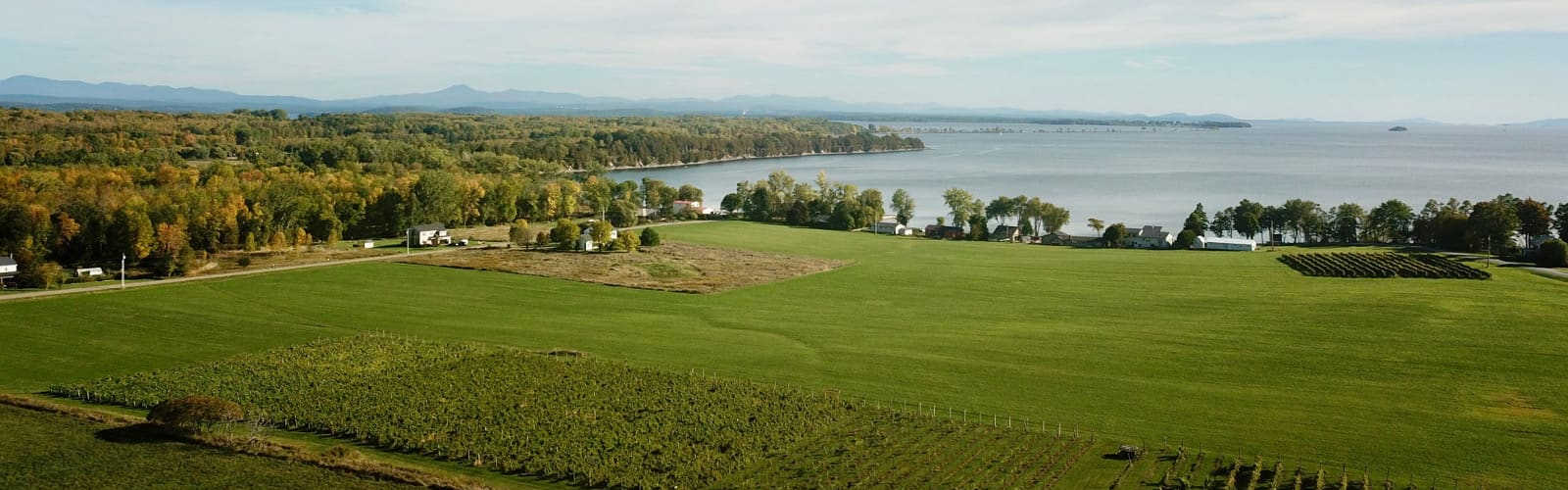
Lake Champlain is Vermont's largest lake and one of the most sought-after locations for waterfront real estate. Stretching along the western border of the state, it offers boating, fishing, swimming, and breathtaking sunsets over the Adirondack Mountains. 

Lakeside towns such as South Hero, Grand Isle, North Hero, Colchester, Burlington, Charlotte, Shelburne, and St. Albans continue to attract buyers looking for both seasonal retreats and year-round lakefront living. Buying lakefront real estate in Vermont is very rewarding, but it requires careful thought. 

Here are some key tips to help you make an informed decision:


1. Research the Lake and Vermont Waterfront Communities

Investigate the lake and its surroundings. Consider factors such as water quality, recreational activities available, the proximity to amenities, and accessibility to the water. A lakefront property with stunning views, a primo beach, and nearby attractions will likely be more desirable to other buyers and could have a higher resale value.


2. Determine How You'll Use Your Vermont Lakefront Property

Before you start your property search, decide how you plan to use the lakefront. Do you need a dock or boat access? Is water quality a priority for swimming? Or are you simply looking for the perfect view? Knowing your non-negotiables will help you focus your search.


3. Understand Vermont Waterfront and Lake Access Types

There are several types of lake access you might encounter: deeded access, direct lakefront, or bisected lakefront. Deeded access means shared use with neighbors and often more affordable properties that are not directly on the lake. Direct lakefront means the water borders your property. A bisected lakefront lot means a road runs between the home and the water with its own pros and cons to consider when choosing your ideal property.


4. Verify Property Boundaries

Ensure you know the exact boundaries of the property, including its waterfront limits. Verify any restrictions or rules concerning the use of the lakefront, docks, boats, and other amenities.


5. Review Vermont’s Shoreland Protection Act

In 2014, the Vermont Legislature passed the Shoreland Protection Act which regulates shoreland development. If you plan to make modifications or build on a waterfront property, investigate the permitting process and potential restrictions. This is crucial to ensure legal compliance, and development feasibility to protect your investment's value and future enjoyment. It provides peace of mind by confirming that the property meets all regulations and environmental requirements to protect lake waters. 


6. Check Flood Zones and Insurance

Your real estate agent can help you access and explain documentation regarding  if the property is in a flood-prone area. Insurance costs can be significantly higher for properties in flood-prone areas, so consider these additional expenses in your budget. If the property is in a flood zone, take this into consideration and how it might affect your investment in the long term.


7. Inspect for Water Damage

When looking at lakefront homes, ask your Realtor if there has been any flooding, erosion, or water damage to the property. When visiting a property, look for any signs of damage. If you decide to make an offer, a professional property inspection may be encouraged to look into these matters further. 


8. Know Local Rules and Regulations

Familiarize yourself with any zoning regulations, local ordinances, and/or homeowner association (HOA) rules that may affect the property. Some homes that have deeded or shared lake access, may have restrictions on noise, boat usage, or property modifications. 


9. Budget for Maintenance and Upkeep

Lakefront properties often come with higher maintenance and insurance costs. Be prepared for additional expenses related to seasonal home maintenance such as watercraft maintenance, dock upkeep, and erosion prevention.


10. Work with a Waterfront Specialist

Working with an experienced local real estate agent who specializes in lakefront properties can be invaluable. They can guide you through the process, provide insights into the area, and help you find suitable properties based on your preferences.

Vermont waterfront properties offer a unique lifestyle that combines recreation, natural beauty, and long-term investment potential. Whether you're searching for a seasonal cottage, luxury lakefront estate, or year-round home on Lake Champlain, working with a local waterfront specialist can help you navigate the process with confidence.

At Coldwell Banker Islands Realty, our agents have been helping buyers and sellers navigate the Lake Champlain waterfront market since 1996. If you're considering buying a lakefront home in Vermont, we'd be happy to help you explore available properties and answer any questions about waterfront ownership.

Get in touch with us today to start your lakefront home-buying journey. 

Summer House-Hunting Mistakes to Avoid in Vermont

Whether you’re planning a move to Northwest Vermont or dreaming of a lakefront escape on Lake Champlain, summer is one of the most active times to begin your home search. New listings hit the market, properties show beautifully, and buyers are eager to secure something before fall.

But with that momentum comes heightened competition, and even small missteps can affect your search. Before you begin touring homes, here are five summer house-hunting mistakes to avoid in 2026.

1. Starting Your Search Without Pre-Approval

It’s tempting to jump straight into browsing listings, especially when new homes are hitting the market daily. But in today’s market, if you’re financing, having a mortgage pre-approval is a crucial first step. 

Knowing your budget helps you focus your search and move quickly when the right home comes along. More importantly, it positions you as a serious buyer in a competitive environment, especially for desirable properties in sought-after towns or waterfront homes.

2. Not Getting Clear on Your Priorities

From wraparound porches to sunset lake views, Vermont homes have a way of pulling you in. But without a clear understanding of what you truly need, it’s easy to get distracted.

Before touring homes, define your non-negotiables:

  • Location (proximity to Burlington, Lake Champlain, Interstate 1-89, etc.)
  • Property type (year-round home, seasonal camp, condo, single-level, etc.)
  • Features (water access, acreage, bedrooms, bathrooms, etc.)

Having a clear vision will save time and help you make a confident decision when the right home appears.

3. Letting the Summer Market Rush Your Decision

Vermont real estate tends to move quickly in warmer months, especially for well-priced homes and lakefront listings. It’s natural to feel pressure to act fast, however rushing into a purchase without proper due diligence can lead to buyer’s remorse.

The key is balance: be prepared to move quickly, but not impulsively. Review disclosures carefully, understand the condition of the home, and lean on a local expert who knows how to navigate competitive situations.

4. Only Thinking About Summer Living

It’s easy to fall in love with a home during peak summer—long days, green landscapes, and lake access at its best. But Vermont living spans all four seasons, so it’s important to envision what life will look like year-round. 

  • Winter road access and snow removal
  • Heating systems and overall energy efficiency
  • Storage for seasonal gear (skis, kayaks, outdoor furniture)
  • For second homes, the typical seasonal use vs. year-round accessibility

Thinking beyond summer will help ensure the home fits your lifestyle in every season—not just the one you’re buying in.

5. Navigating the Process Without Local Expertise

The Northwest Vermont real estate market comes with its own nuances, from waterfront regulations to seasonal properties and zoning considerations.

Working with a local real estate professional gives you a strategic advantage. From early access to listings, to guidance on pricing, inspections, and negotiations, having the right representation ensures a smoother and more informed buying experience.


Whether you're searching for a primary residence or a seasonal getaway avoiding these common summer house-hunting mistakes can make all the difference on the journey to finding the right Vermont home. 

Thinking about buying in Northwest Vermont this summer? Connect with a local real estate expert to start your search with confidence—or explore available homes and discover what’s currently on the market.


Summer House-Hunting Mistakes to Avoid

What not to do when searching for your Vermont home this season

With longer days and motivated sellers, the summertime is an exciting time to look for your next home in Vermont. Before diving into showings and open houses, it’s important to be aware of common mistakes that can throw off your search and lead to buyer’s remorse. Here are five pitfalls to avoid for a smoother, smarter house-hunting experience.

1. Skipping the Pre-Approval Step

Before browsing listings or scheduling showings, talk to a lender and get pre-approved for a mortgage. Knowing your budget upfront not only helps you narrow your search but also shows sellers you’re a serious buyer, giving you a competitive edge when you’re ready to make an offer.

2. Not Defining Your Priorities

It’s easy to get swept away by charming porches or lake views, but without a clear list of must-haves and deal-breakers, you risk wasting time or settling for the wrong fit. Outline what matters most, whether it’s the location or the square footage, and stick to it.

3. Getting Caught Up in the Summer Frenzy

With homes moving quickly, summer buyers can feel pressure to act fast. While urgency is often needed, don’t let market hype push you into a rushed decision. Stay grounded, take time to evaluate each property, and lean on a local REALTOR® for guidance.

4. Thinking Only About Summer

A house might feel perfect for July barbecues, but how will it hold up in January? Consider the year-round functionality of the home, winter access, heating systems, storage, and long-term maintenance. Thinking ahead will save you from future surprises.

5. Going It Alone

The Vermont housing market can be competitive and nuanced. Partnering with a local real estate agent, especially a buyer’s representative, ensures you have someone in your corner. From scheduling showings to negotiating offers, a trusted professional will help you navigate every step with confidence.

Avoiding these common mistakes will help you make informed decisions and find a Vermont home that truly fits your lifestyle this summer and beyond. Ready to begin your home search? Schedule a buyer consultation with one of our local real estate agents or start browsing properties today.

Recommended Searches